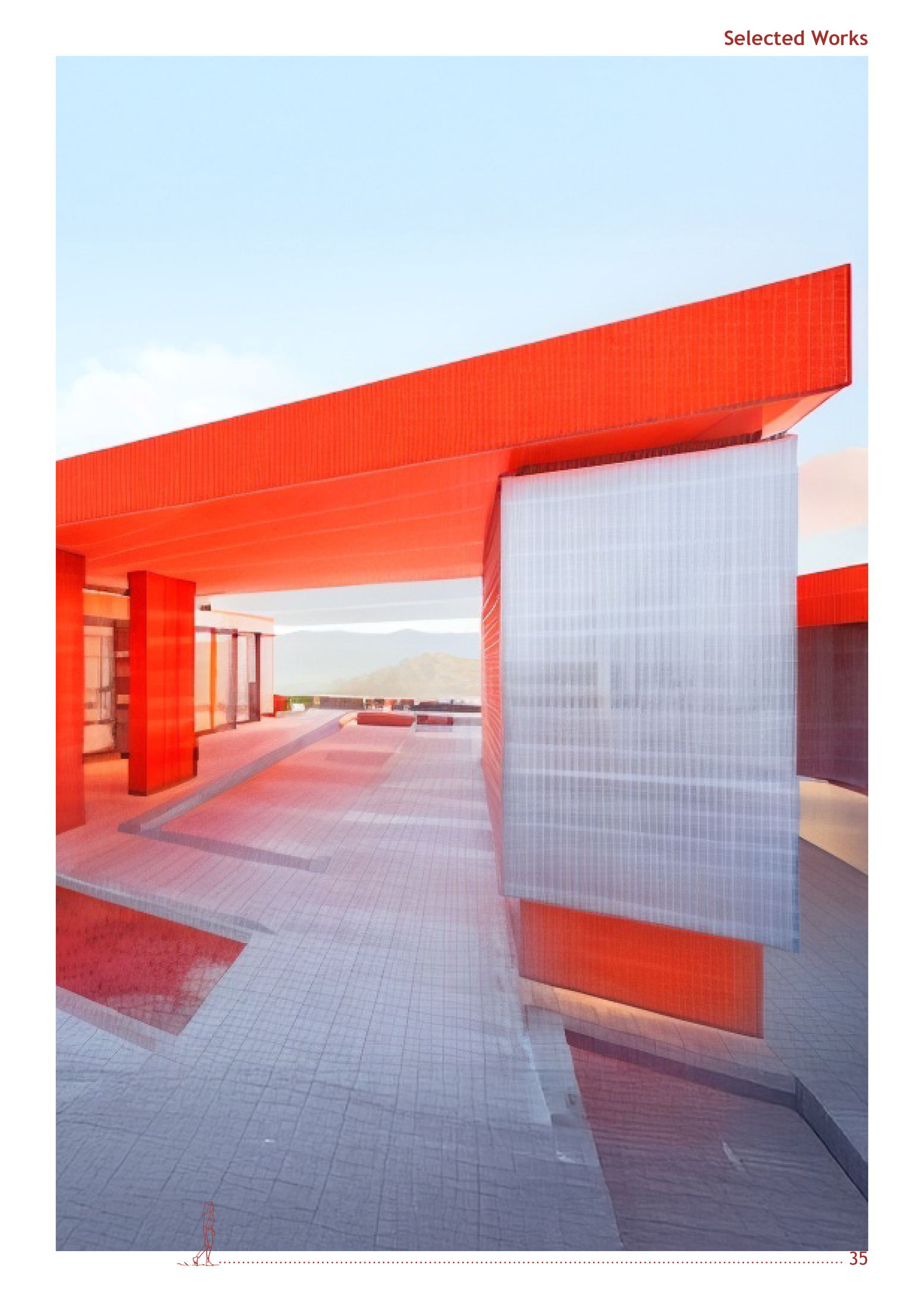
This visual study explores generative rendering as a design tool using Stable Diffusion 1.5 in ComfyUI, supported by custom Python scripts. Source images of architectural models were used to generate high-fidelity renders via a LoRA (Low-Rank Adaptation) model trained on a curated dataset developed specifically for this project.
Two distinct styles were applied—realistic rendering and color-pop artistic stylization—to illustrate the range of visual outcomes achievable through targeted prompt engineering and model training. The process demonstrates how custom-trained AI models can extend design representation, enhance storytelling, and open up new aesthetic possibilities within architectural workflows.
[ Building the render in ComfyUI — the LoRA node graph running a generation ]
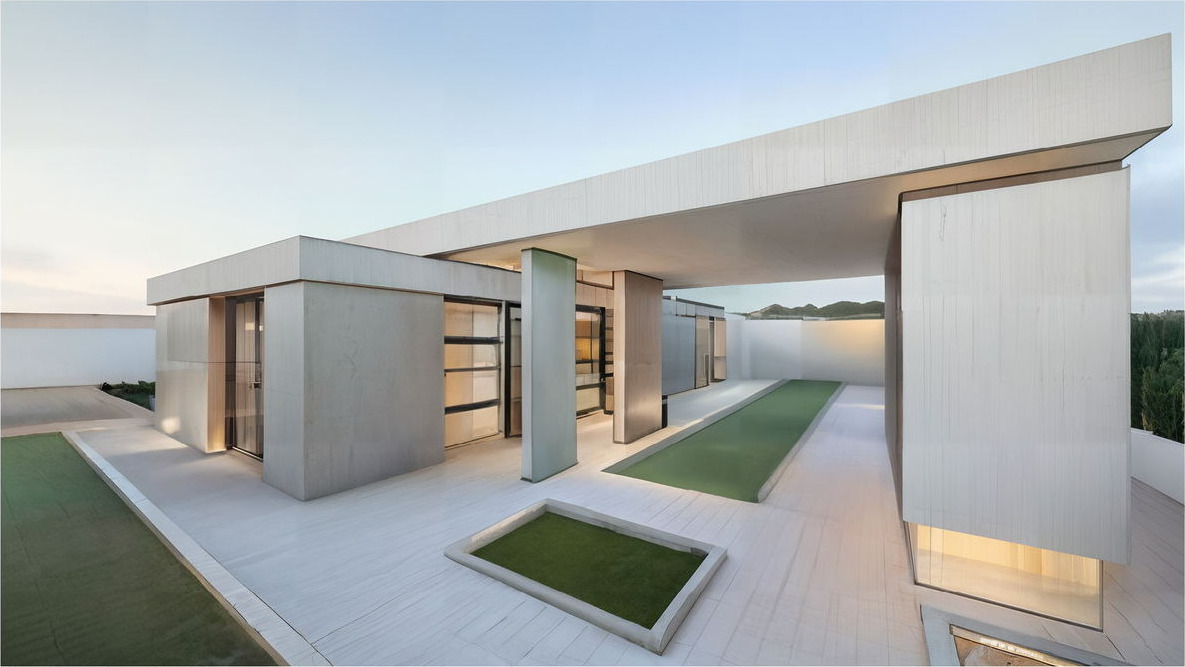
[ Realistic render — close-up view of the entrance ]
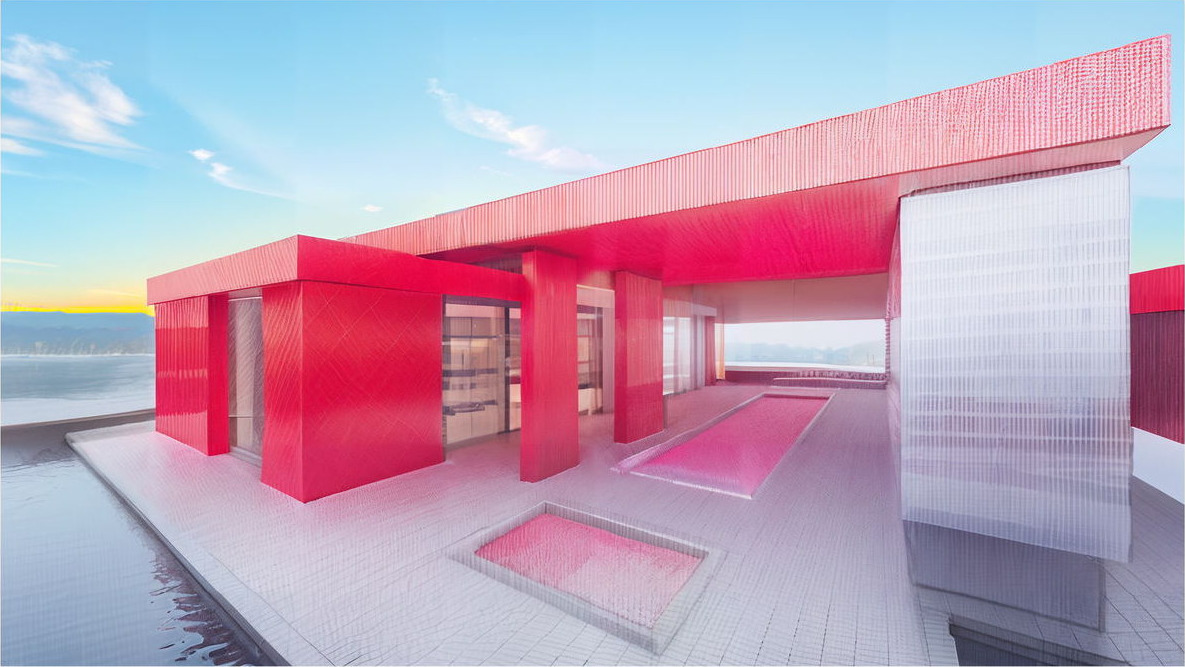
[ Color-pop render — close-up view of the entrance ]
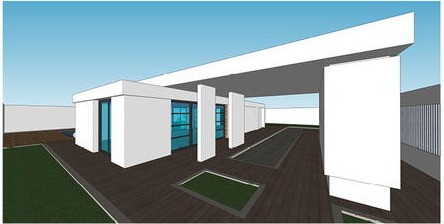
[ Source image — model screenshot ]
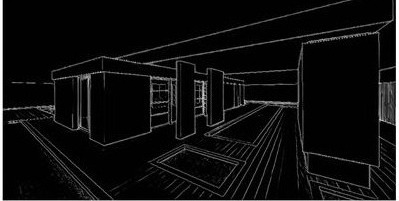
[ ControlNet — line art ]
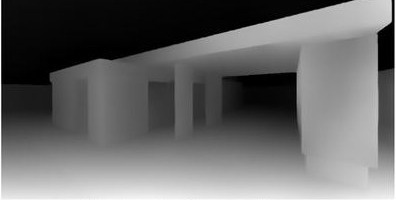
[ ControlNet — depth map ]
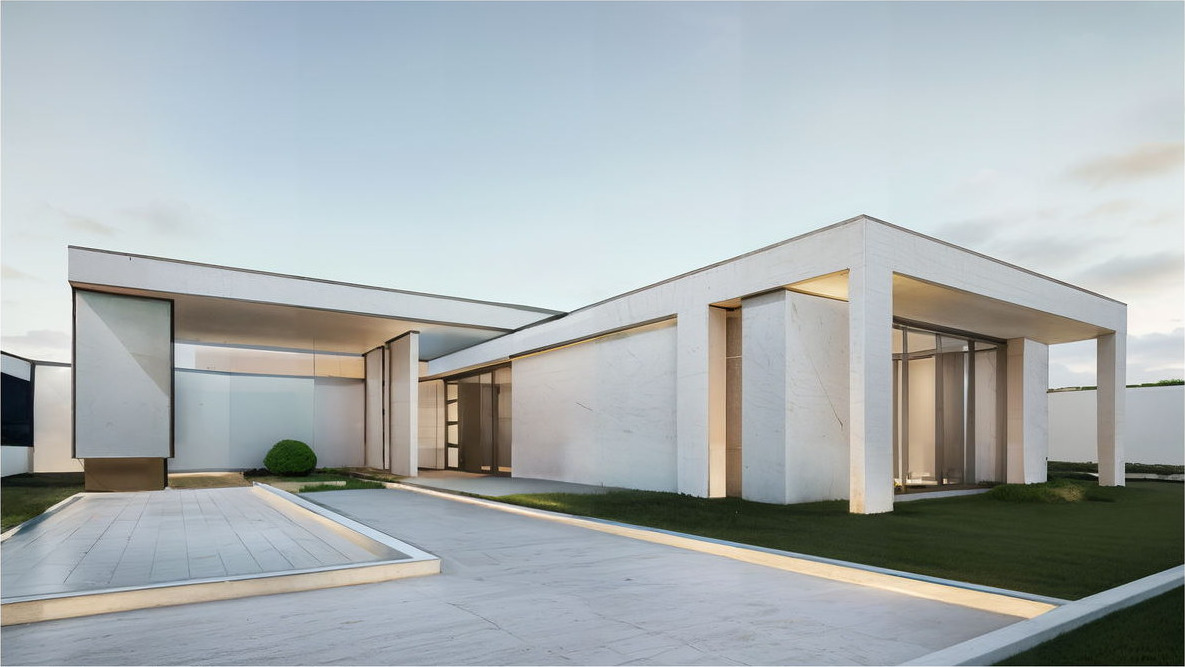
[ Realistic render — front facade perspective ]
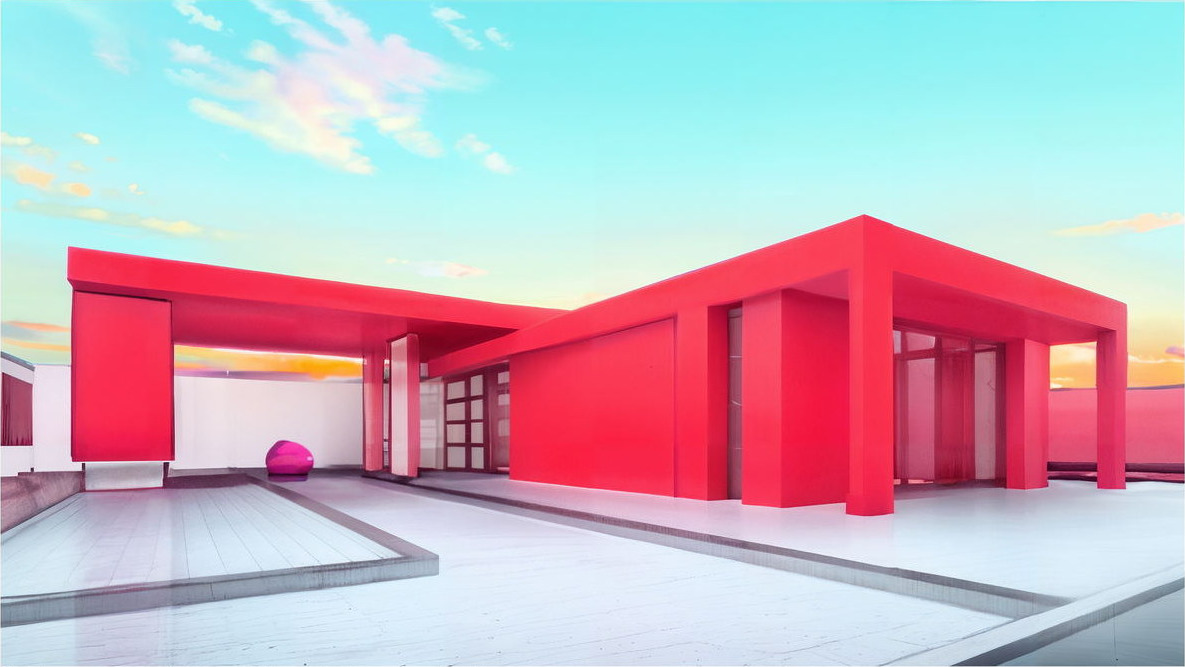
[ Color-pop render — front facade perspective ]
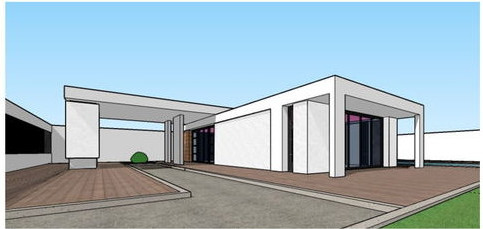
[ Source image — model screenshot ]
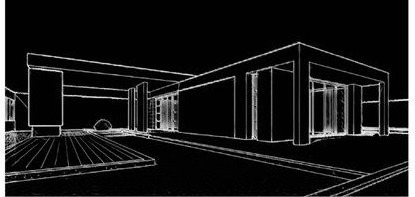
[ ControlNet — line art ]
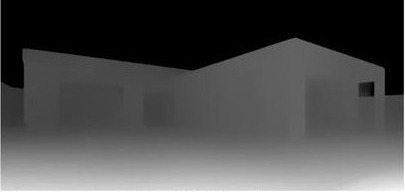
[ ControlNet — depth map ]
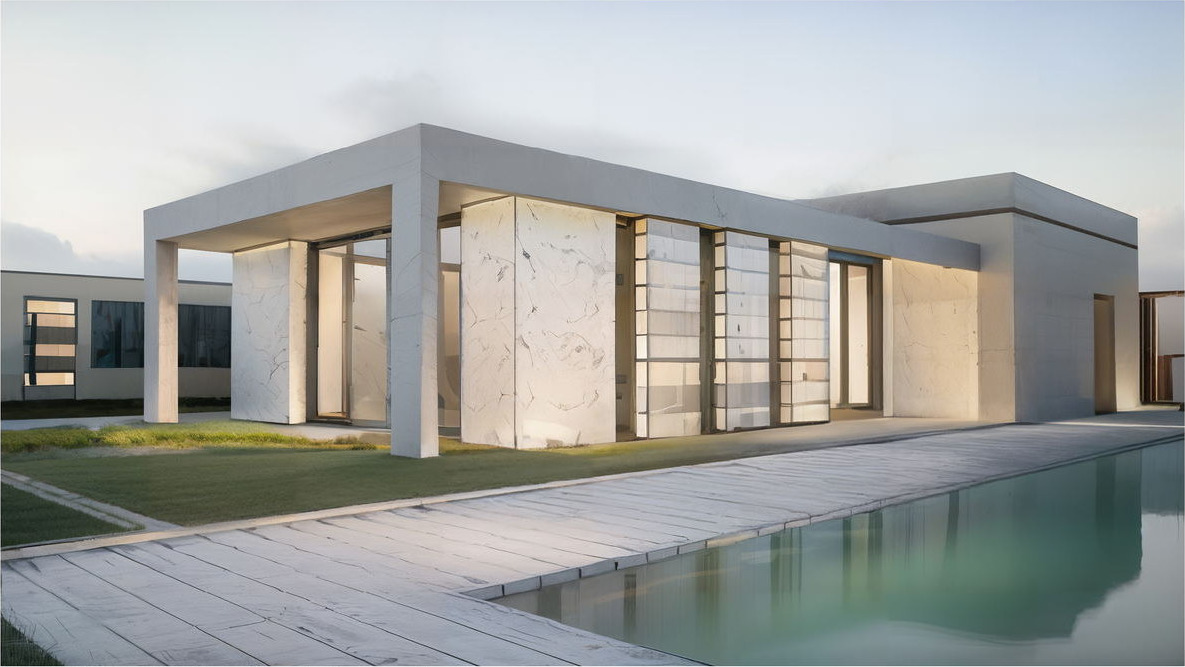
[ Realistic render — rear facade perspective ]
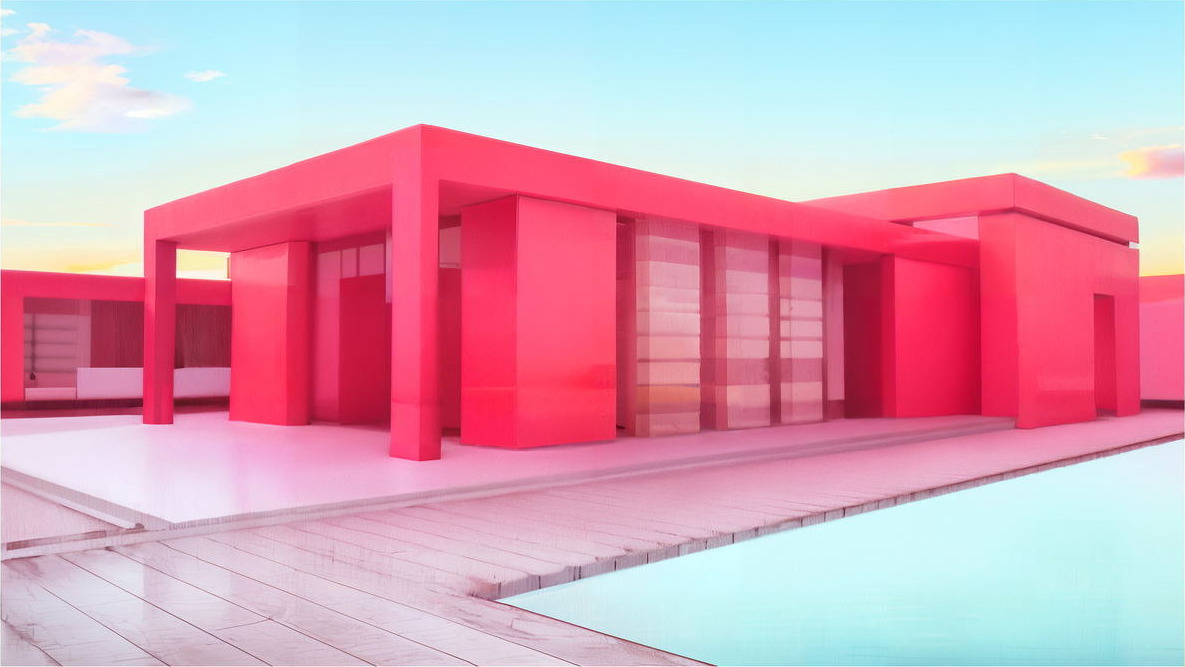
[ Color-pop render — rear facade perspective ]
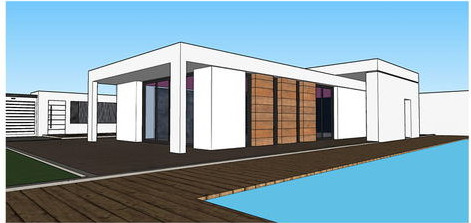
[ Source image — model screenshot ]
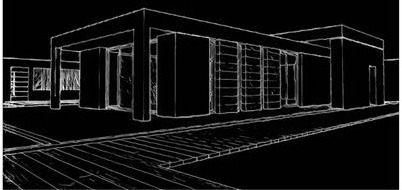
[ ControlNet — line art ]
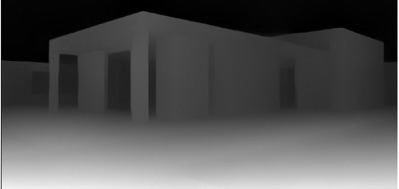
[ ControlNet — depth map ]