Every studio has this problem. A project from a few years back exists only as a 460-pixel JPEG pulled off an old board or a client deck — too small to print, too small to put in a proposal, and the scene file is long gone. This is an in-house exercise at Q Arch Design in rebuilding that archive.
The method is not sharpening. A diffusion model re-renders the image at scale, inventing the mullion, the leaf and the paving joint that were never in the source pixels, guided closely enough by the original that the building stays the building. The pairs below are the same file before and after: the plaza view starts at 467 × 251 and ends at 2798 × 1504, which is thirty-six times the pixels.
From there the same approach extends: stills become short camera moves, and views that were only ever drawn once get re-rendered into a coherent set.
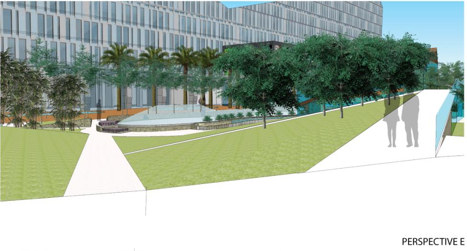
[ Before — 467 × 251, the only surviving file ]
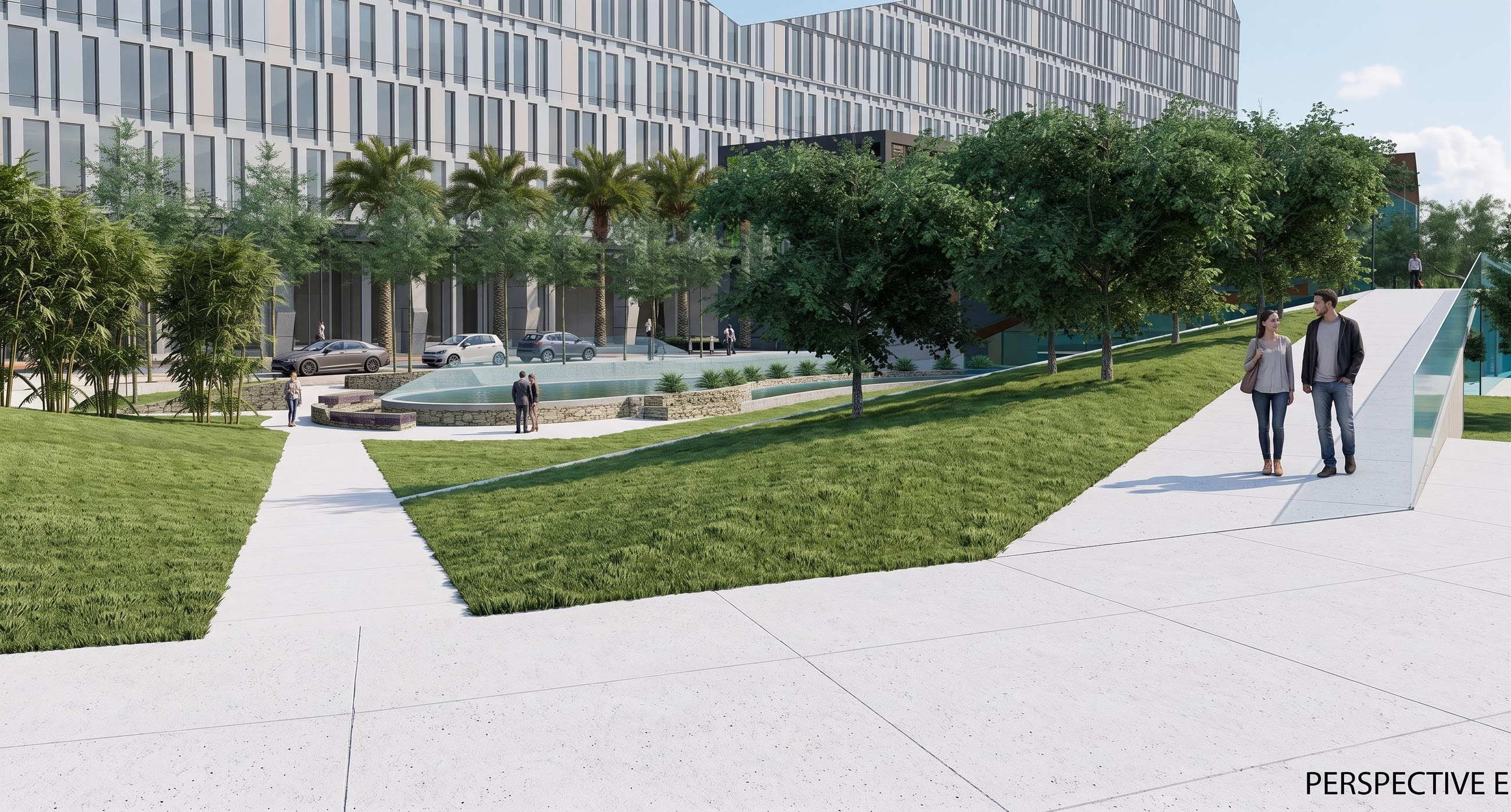
[ After — re-rendered at 2798 × 1504 ]
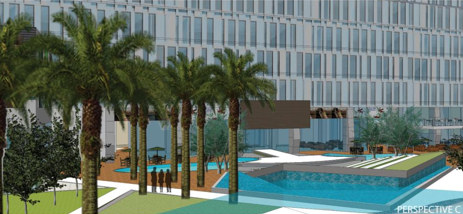
[ Before — 463 × 214 ]
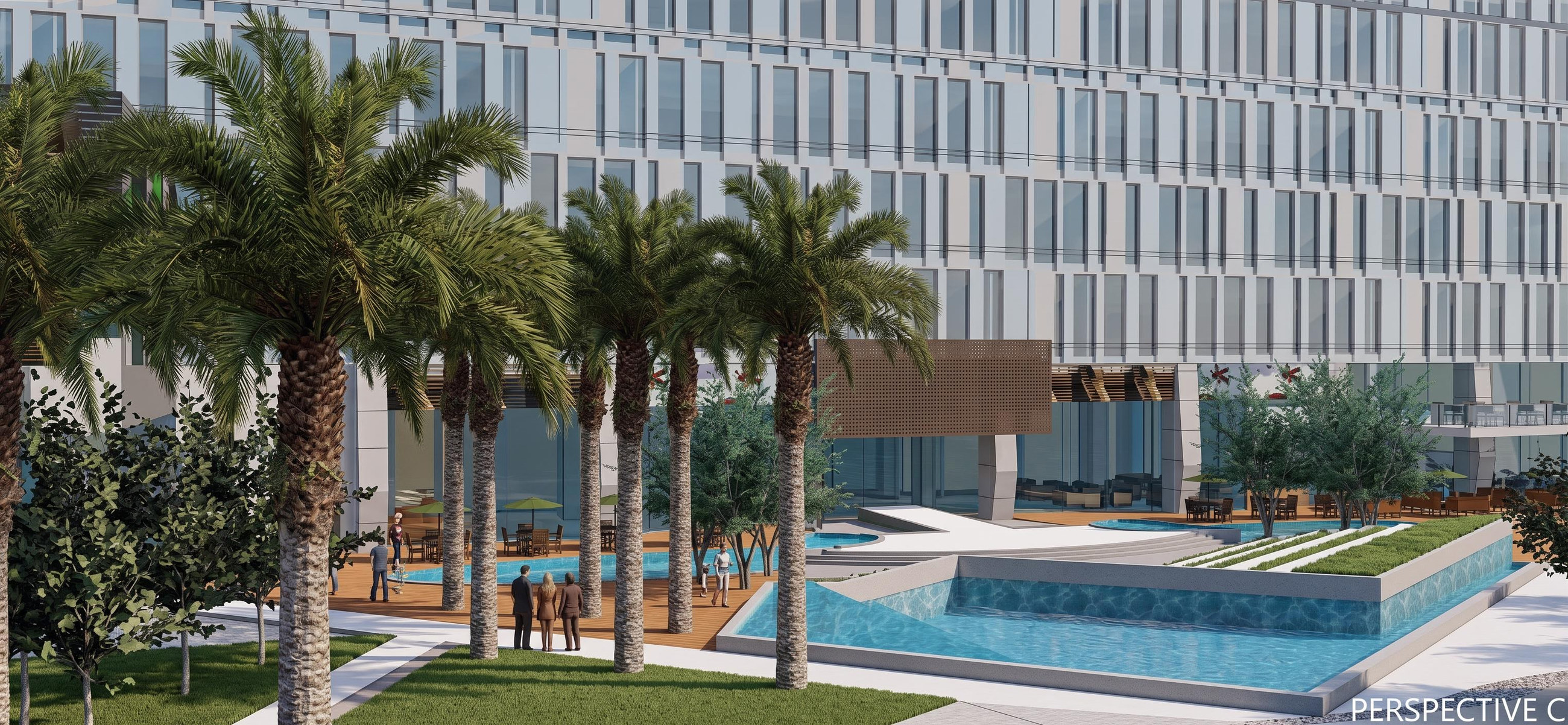
[ After — 3046 × 1408, forty-three times the pixels ]
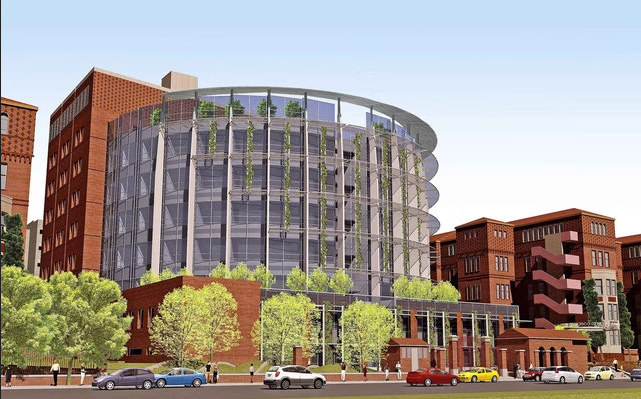
[ Before — 641 × 399, a competition board scan ]
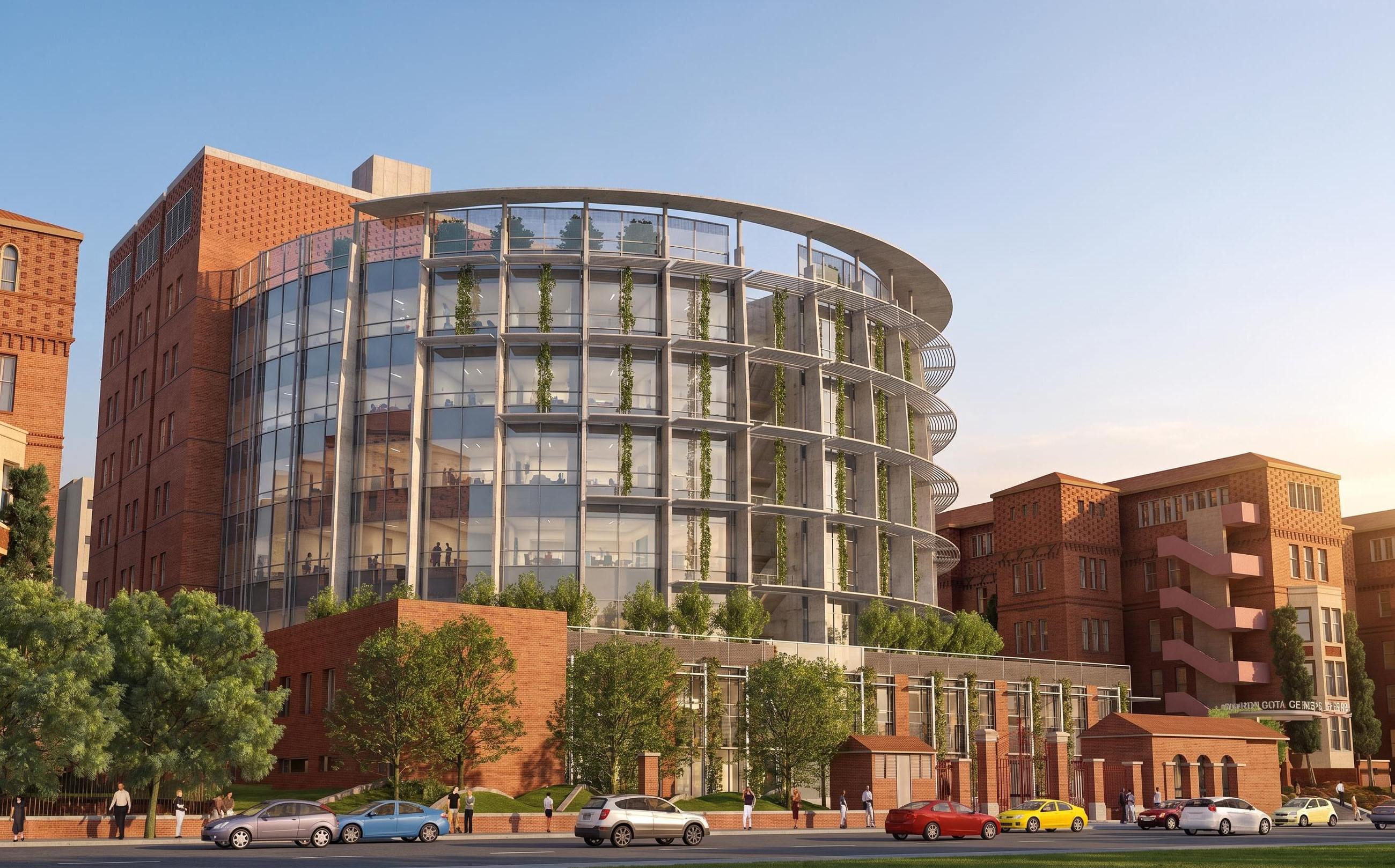
[ After — 2622 × 1632 ]
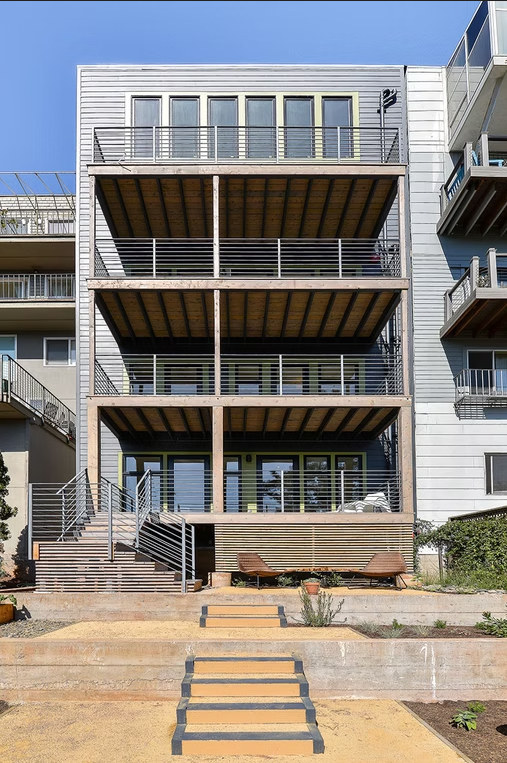
[ Before — 507 × 763 site photograph ]
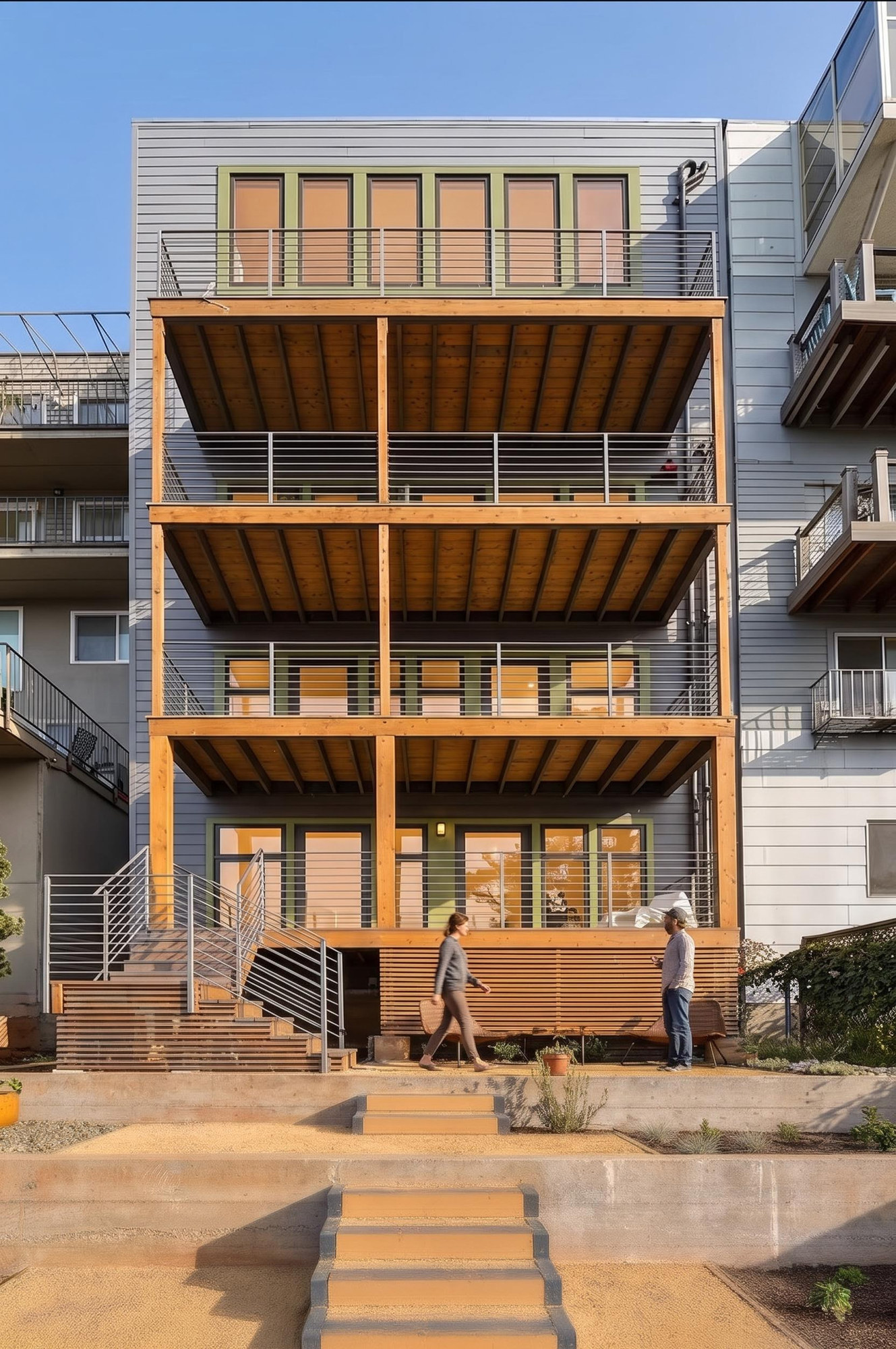
[ After — 1664 × 2504 ]
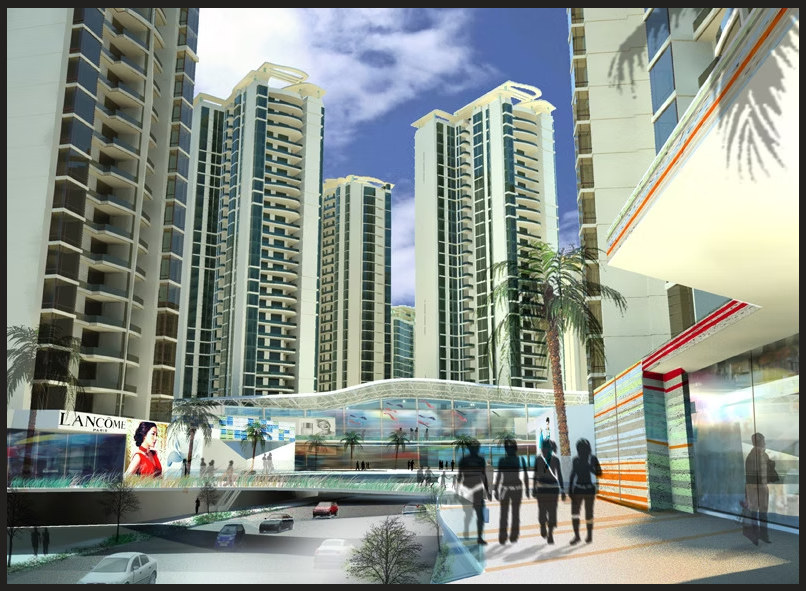
[ Digital Boulevard, Zhongshan — the original render ]
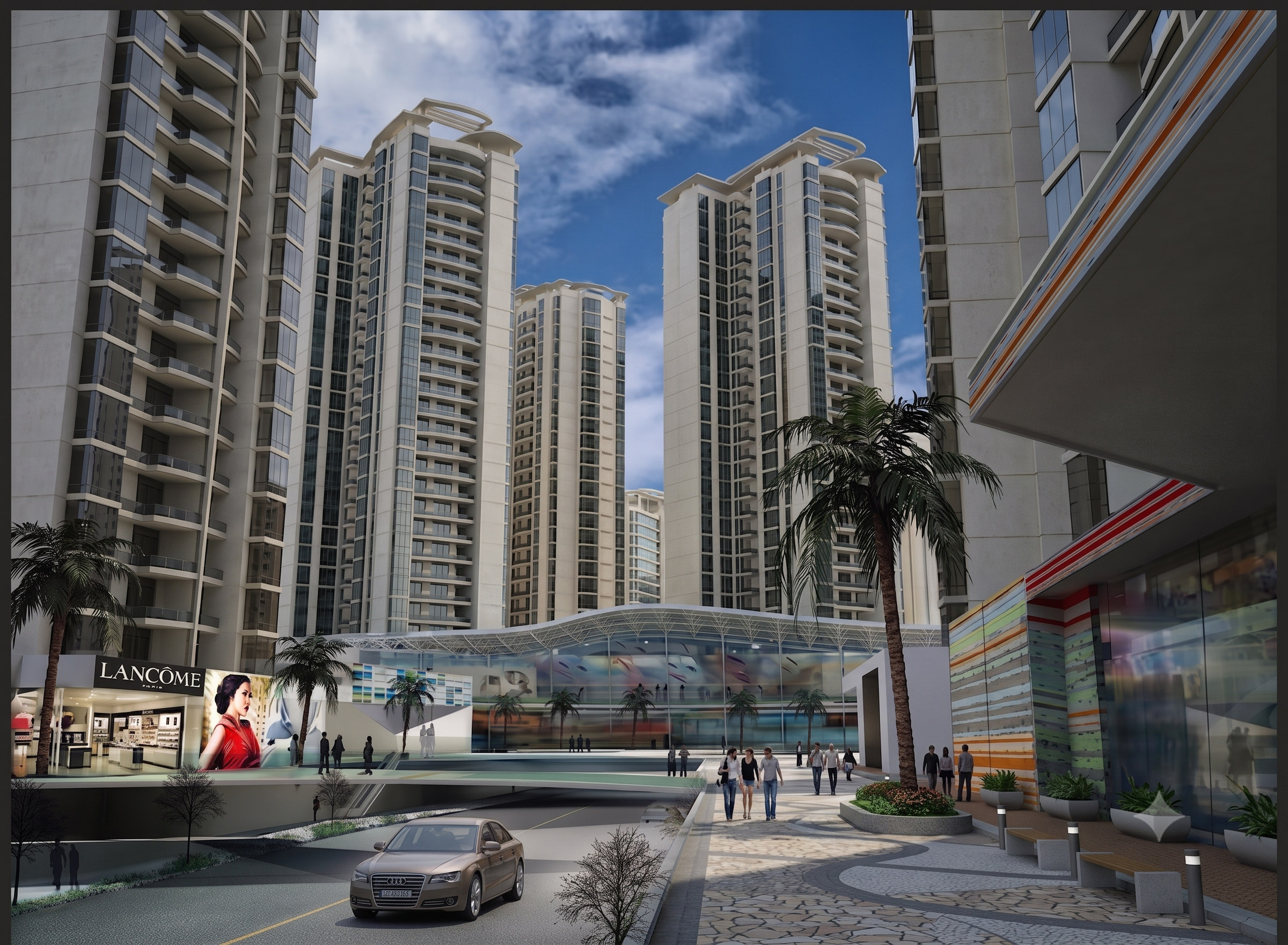
[ Re-rendered — the same camera, rebuilt at 2400 × 1760 ]
The second half of the exercise: a single still becomes a five-second camera move, so a view that was only ever a flat image can be shown as a walkthrough.
[ Walkthrough — the raised park ramp ]
[ Walkthrough — the lawn under the canopy ]
[ Walkthrough — retail branch ]
[ Walkthrough — residential infill ]
[ Walkthrough — Zhongshan boulevard ]
Where a project had a handful of views drawn at different times and to different standards, the whole set gets re-rendered together so it reads as one presentation.
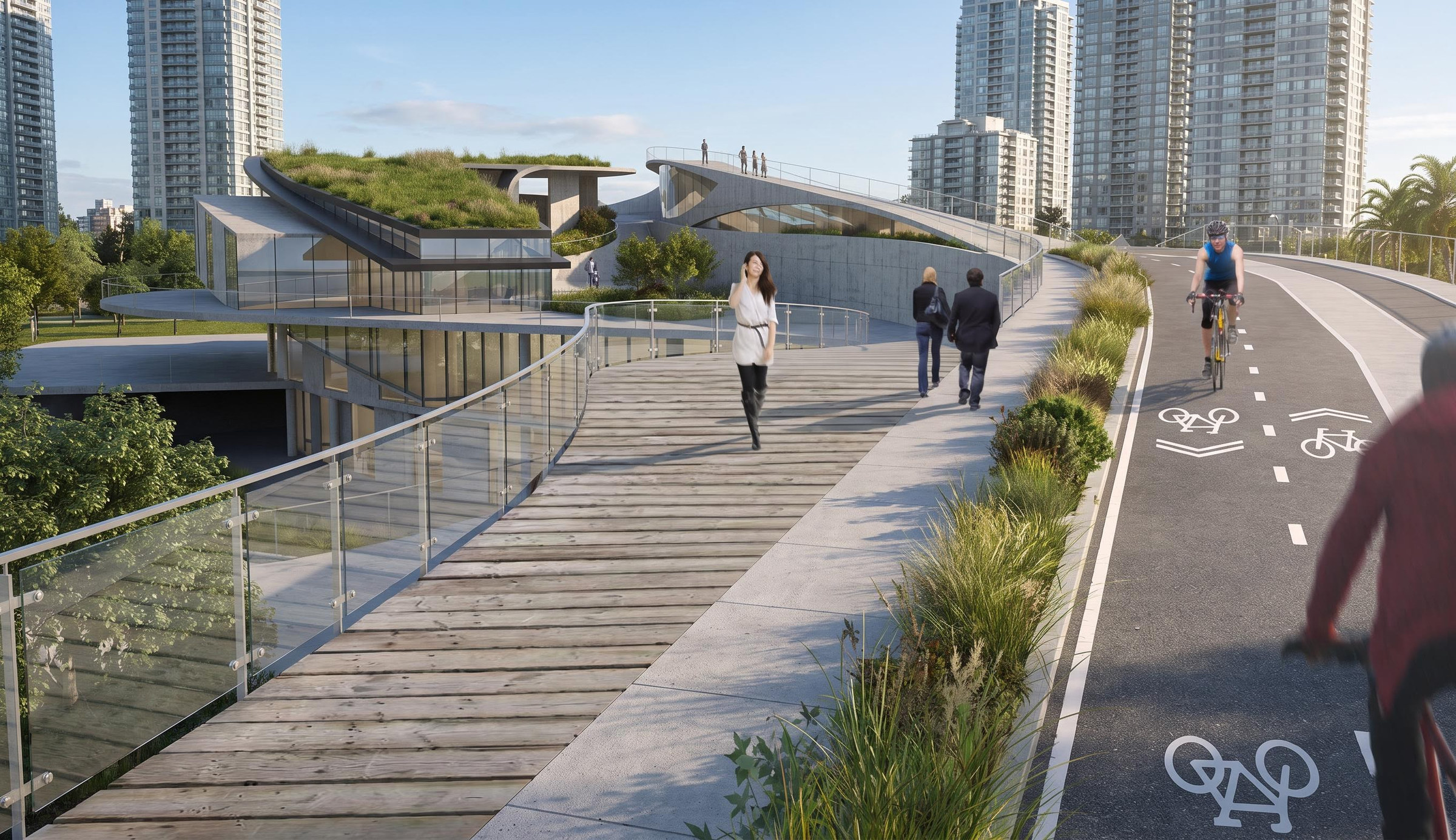
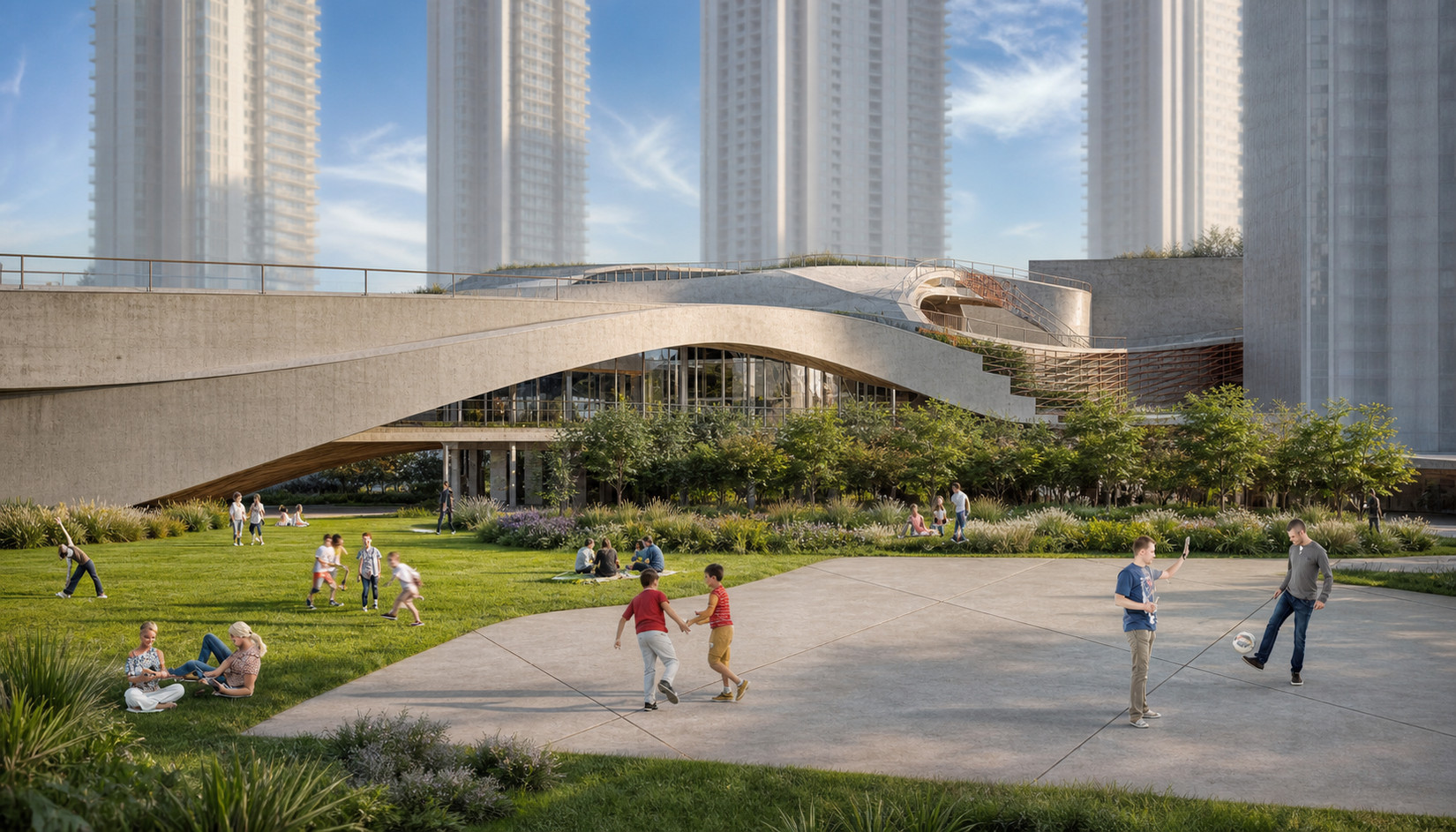
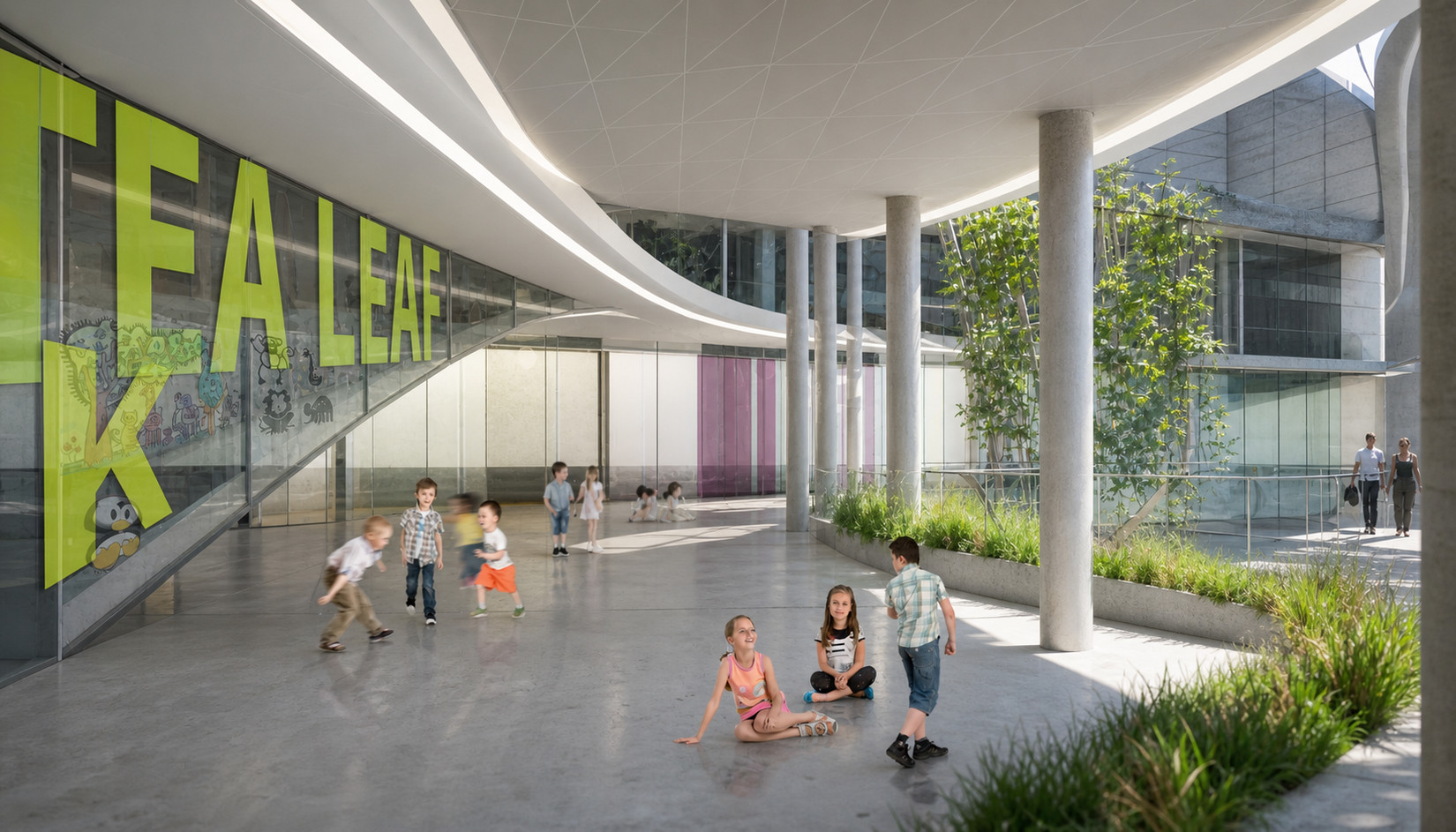
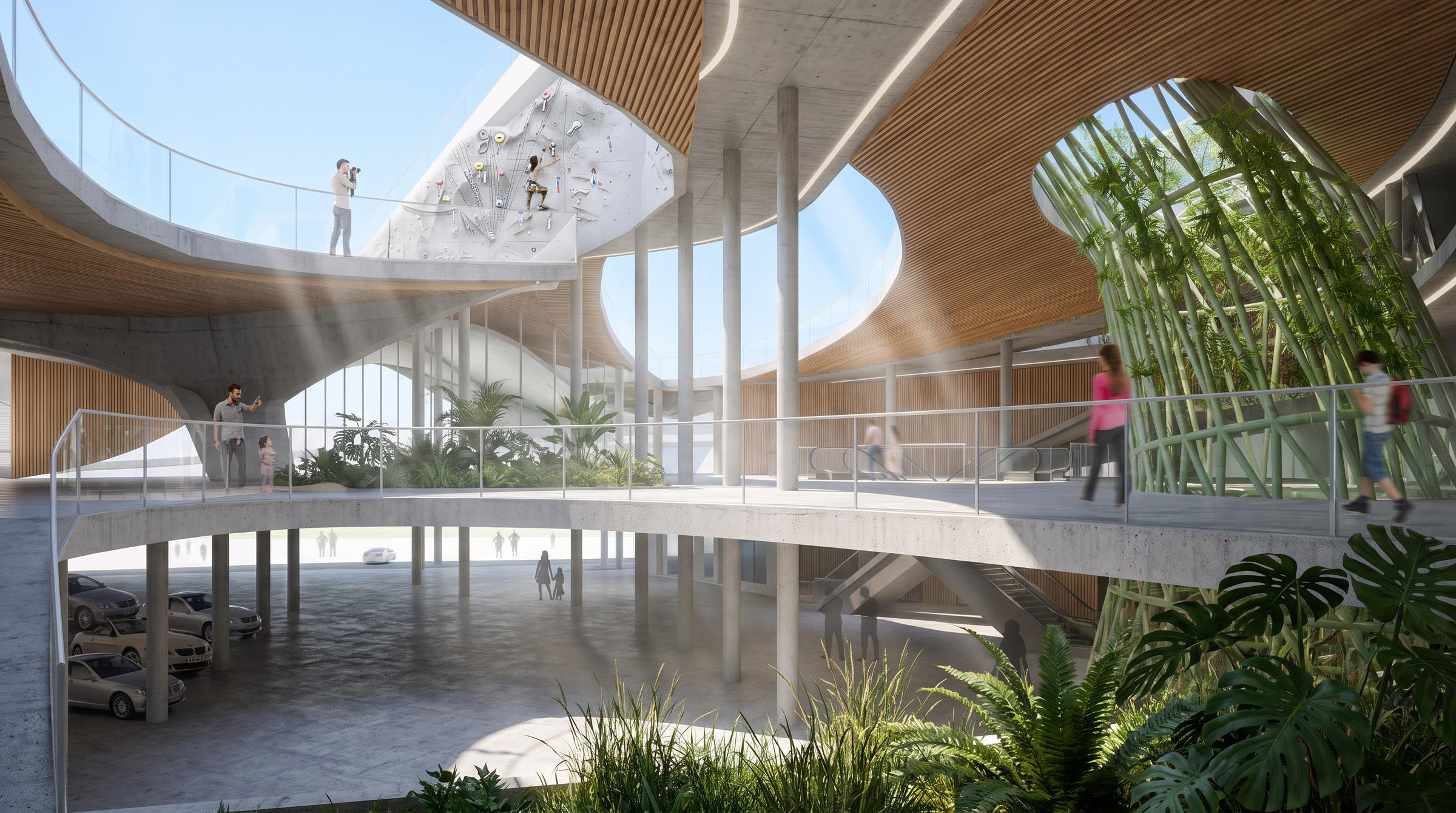
[ Huizhou cultural park — the set re-rendered as one ]
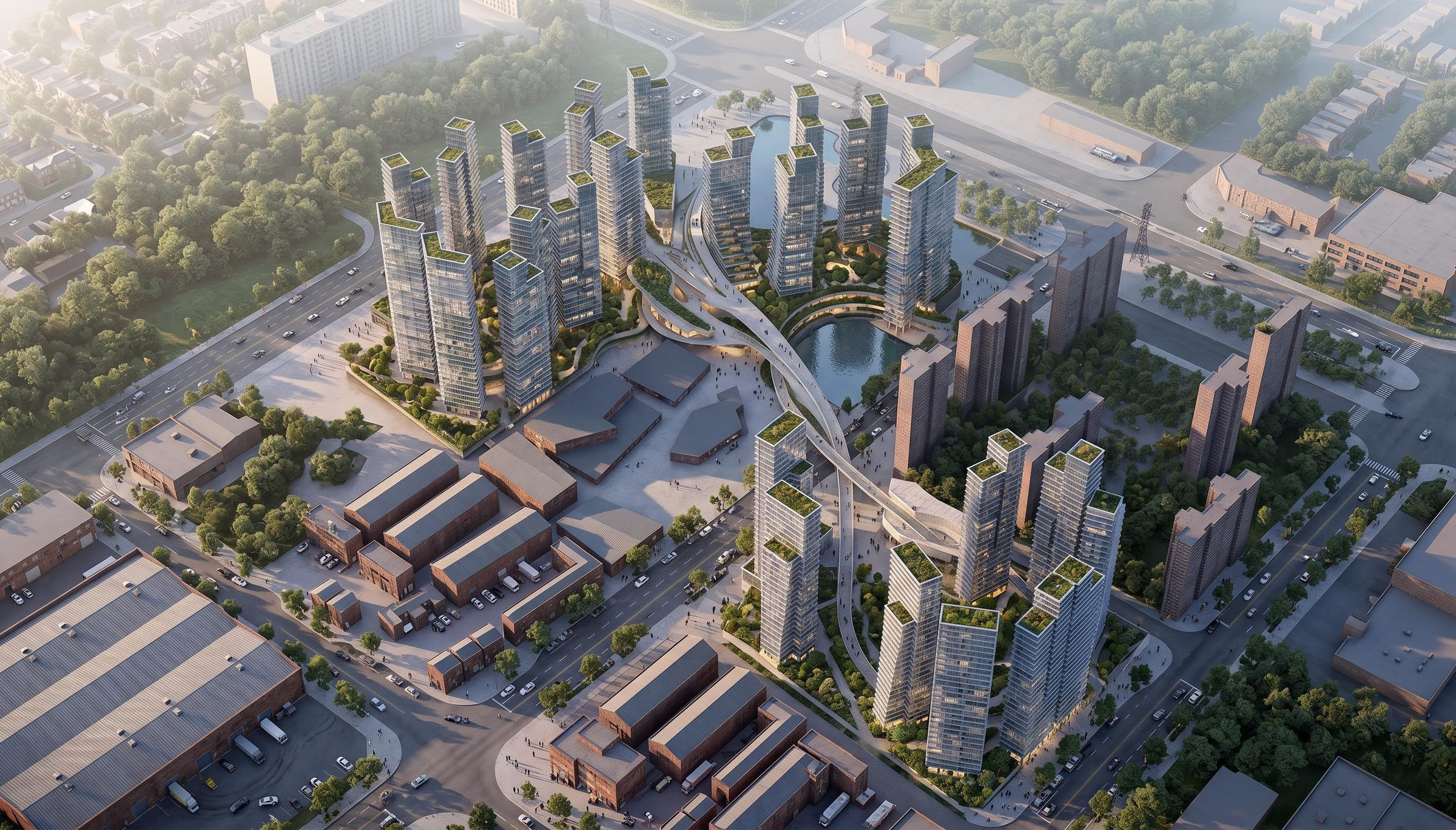
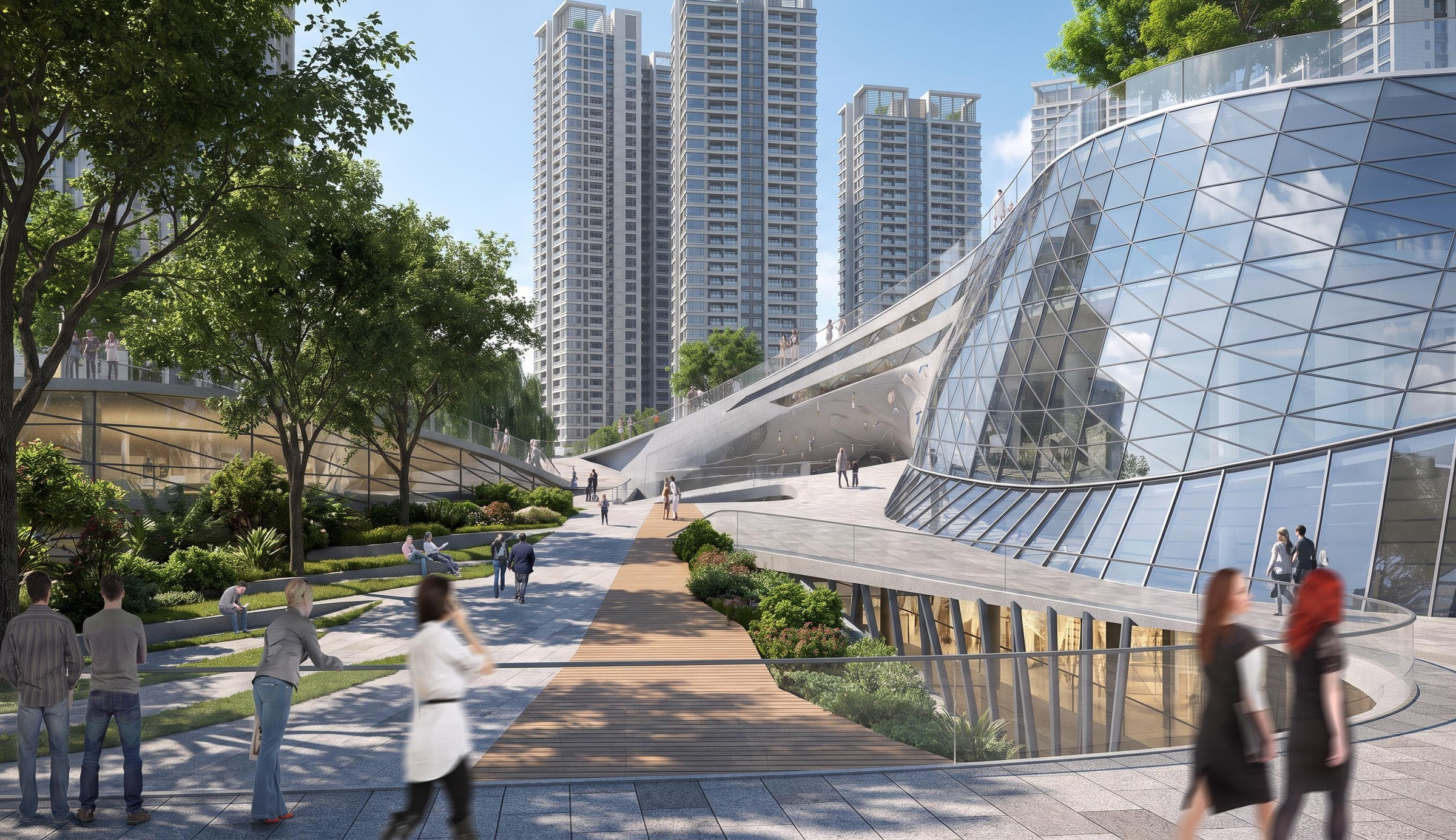
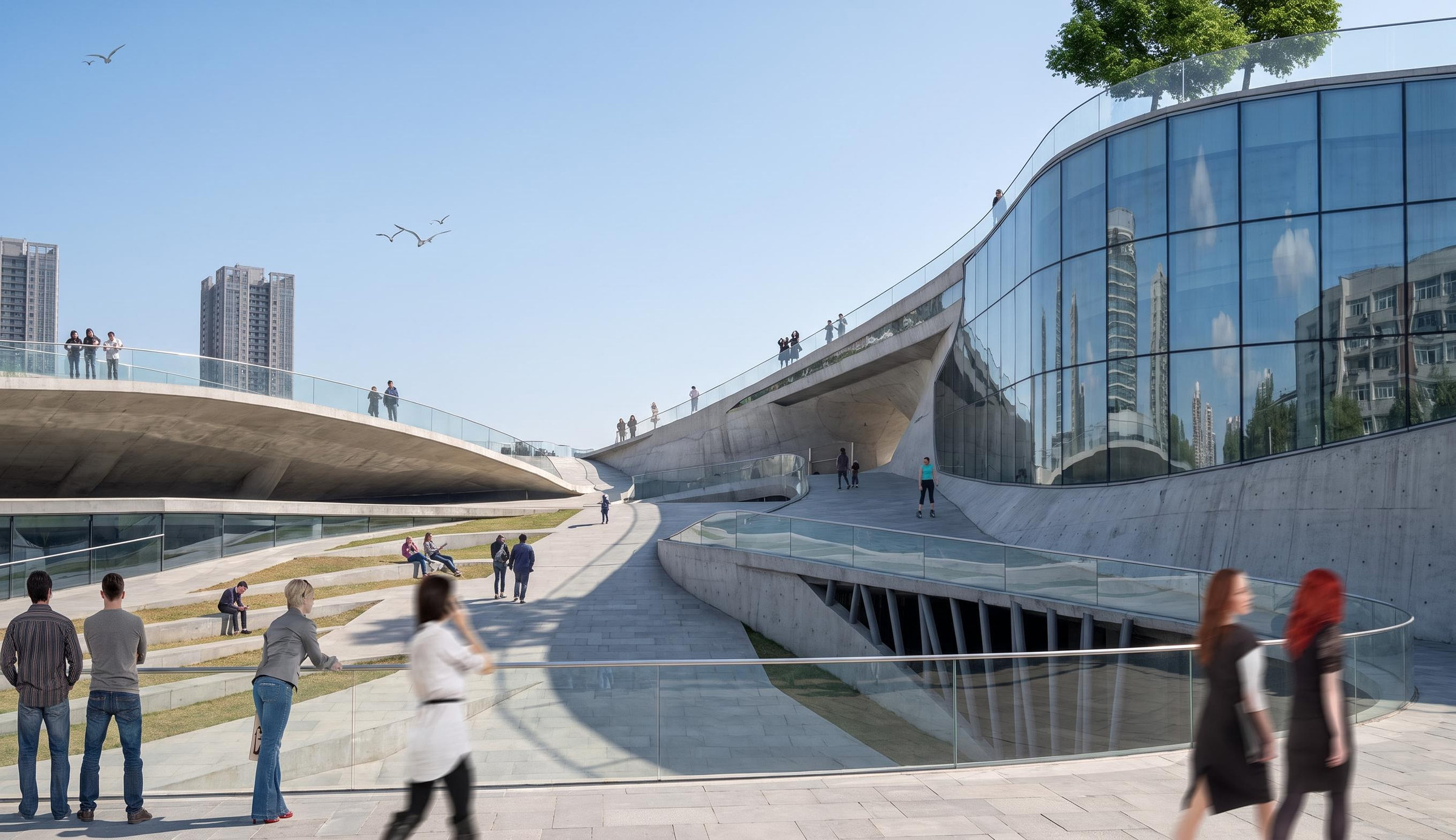
[ Mixed-use masterplan — aerial, entrance hall and plaza ]
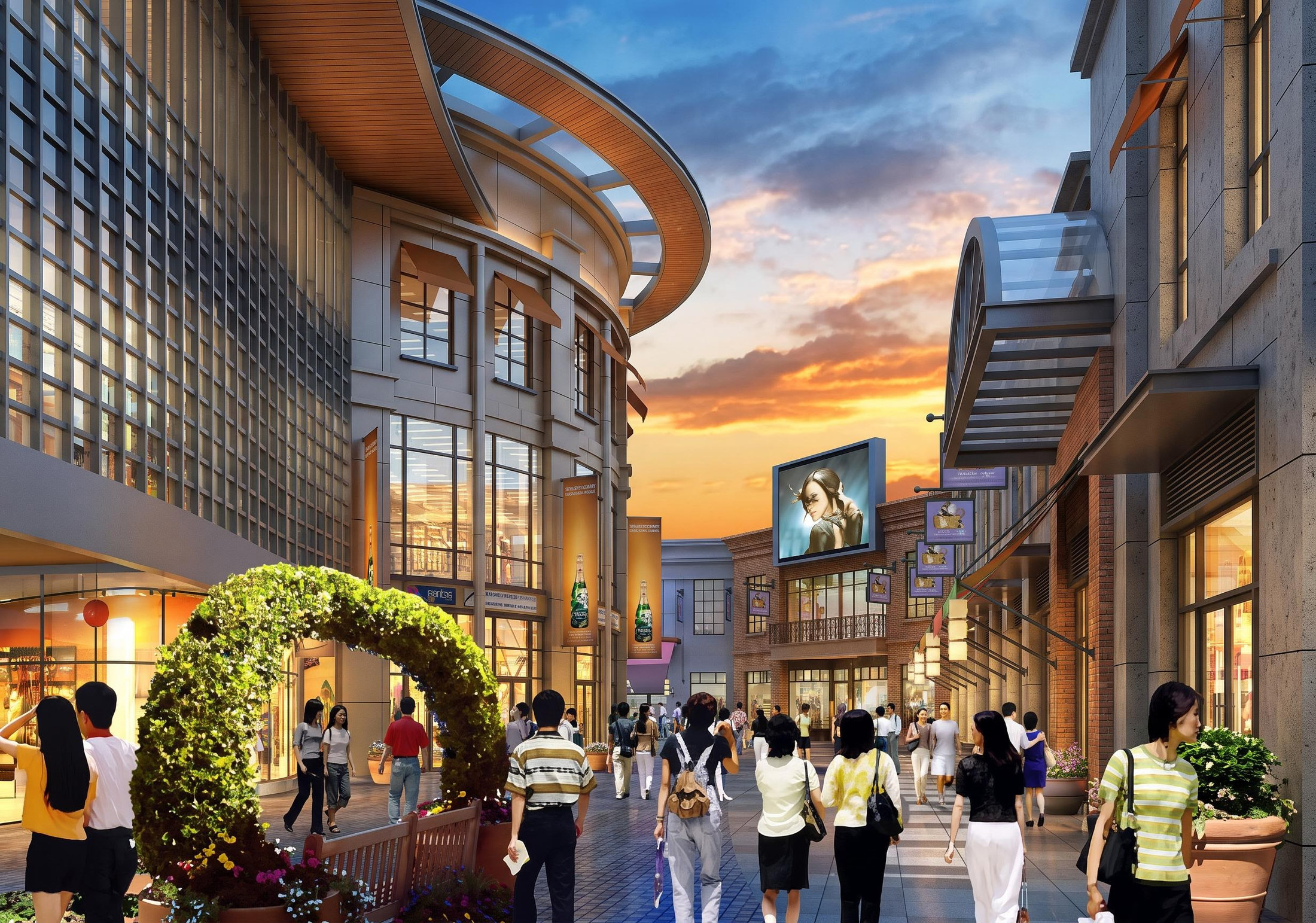
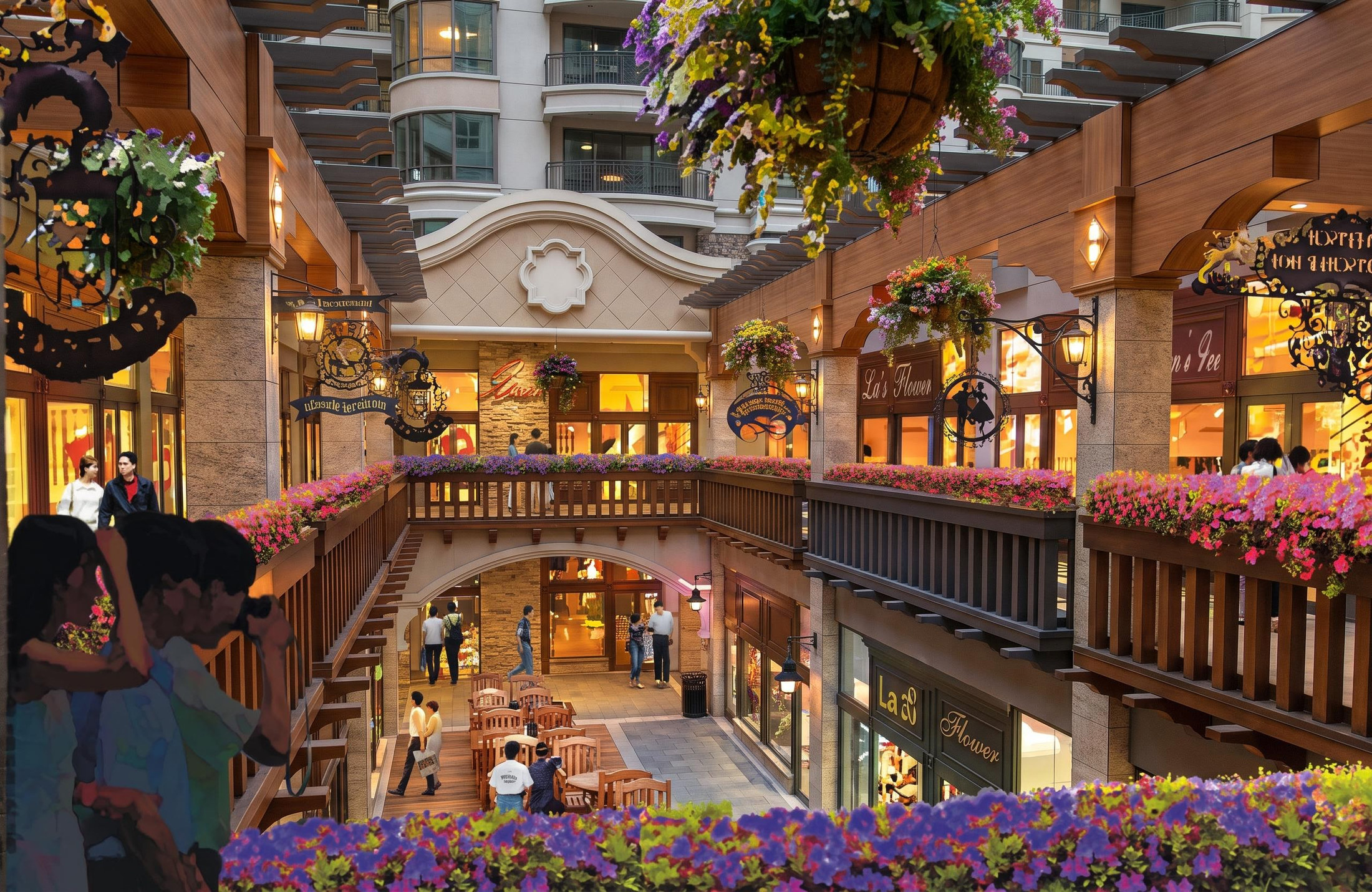
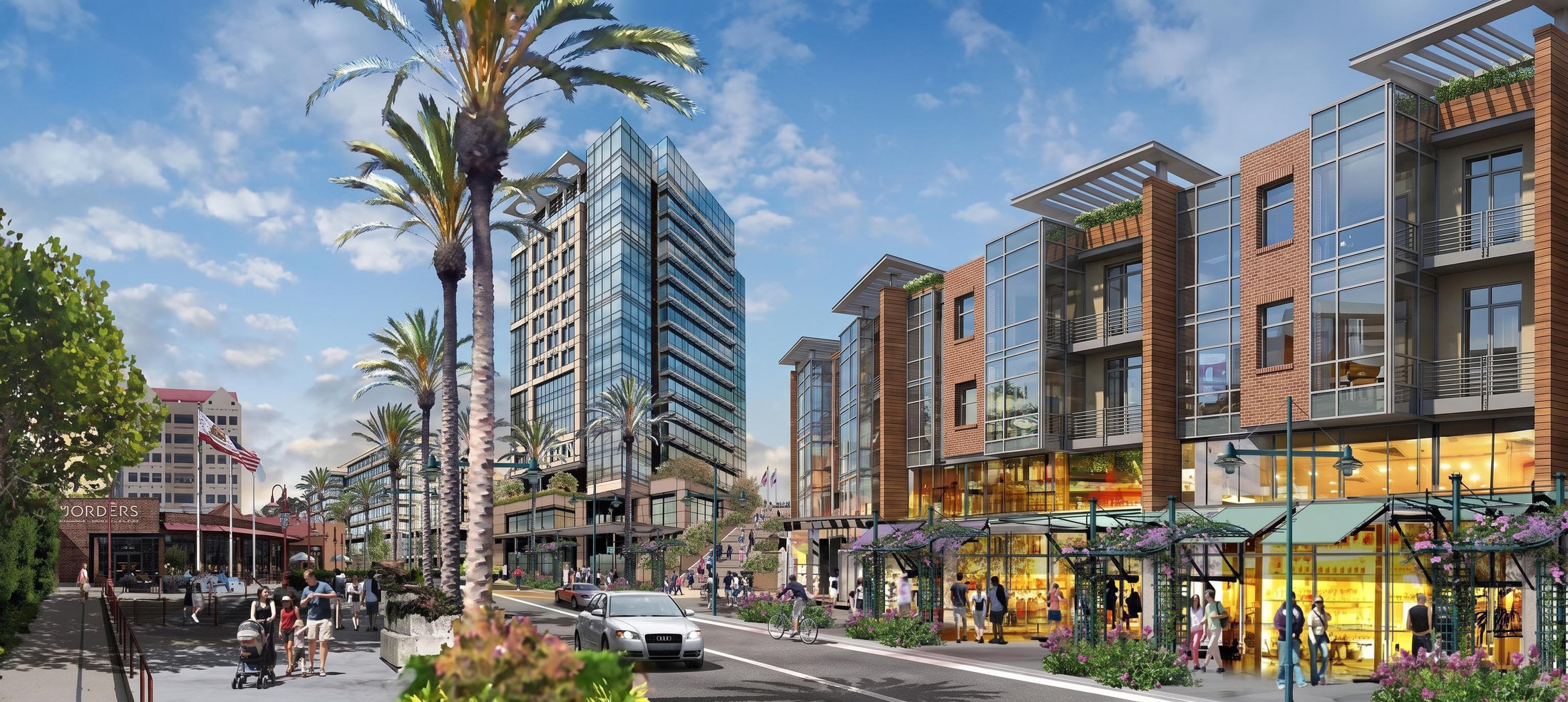
[ Retail village — arch, arcade and street ]